
Maandeeq Poultry Farm: Food Security Through Local Egg Production
When the founders first envisioned Maandeeq Poultry, they knew it would take more than ambition to turn a nation of pastoralists into producers of quality poultry. In 2015, after months of research across the Netherlands, Belgium, and the Horn of Africa, they returned home with one goal: to hatch Somaliland's first large-scale poultry enterprise and end the country's reliance on imported eggs, directly contributing to increased food security.
Khalil Ali Kahin, Mandeeq Group's General Manager says, "We wanted to strengthen food security by producing locally sourced eggs with traceable origins. At the time, all eggs were imported, their quality inconsistent and their prices unstable. We wanted people to know where their food came from."
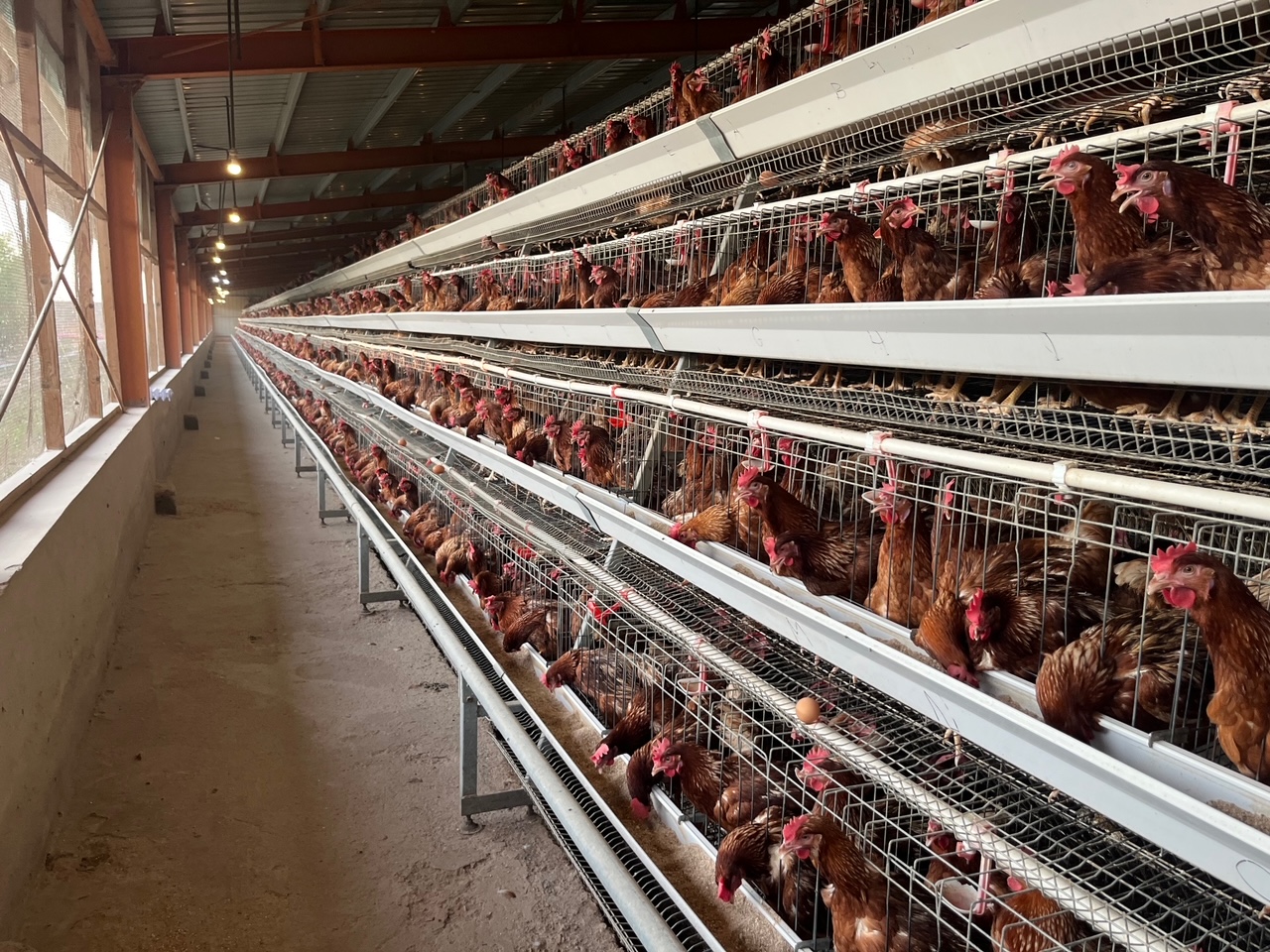
From a modest start of just three poultry houses, 8,500 chicks, and 17 employees Maandeeq grew wings. Yet, like many bold ideas, growth required capital. With support from Shuraako, through the Nordic Horn of Africa Opportunities Fund, Maandeeq received two loans totaling $710,000, complemented by a $239,000 owner contribution. The financing transformed the business, enabling the construction of five modern hen houses, the purchase of new flocks, and steady feed supplies.
Job Creation and Sustainable Growth
The impact was immediate. Within months, production doubled, and so did the workforce. They went from 17 to 42 employees, marking a 147% increase in staffing. What's more, 80% of these new jobs were filled by women, most of them young breadwinners supporting their families.
"We start our day at 5 a.m.," says Suleikha Said Duale, one of Maandeeq's workers. "We feed the chickens, clean, collect, and pack the eggs. It's hard work, but I'm proud that what we produce feeds thousands of households every morning."
Resilience Amid Global Shocks
The journey wasn't without turbulence. The COVID-19 pandemic and the Ukraine war disrupted global supply chains, cutting access to chicks and feed. Yet Maandeeq adapted by sourcing alternative suppliers and local solutions to stay afloat. "These crises tested our resilience," Khalil says, "but they also forced us to innovate and think locally."
Sales, Efficiency, and Food Security
Today, Maandeeq has 20,000 chickens producing about 14,000 eggs daily, distributed across Somaliland and into neighboring Puntland. With younger hens yielding up to 95% productivity, the farm is redefining food supply chains and contributing to increased food security.
Supported again by Shuraako, Maandeeq is now installing a more modern poultry cage system, which will increase stocking capacity and production efficiency by over 30%.
Meanwhile, Dr. Abdirahman Jama, the farm's veterinarian, ensures quality remains uncompromised.
He explains "Our chickens are vaccinated against Newcastle, Gumboro, and local diseases. Every egg that leaves this farm is safe, nutritious, and fresh; that's our promise to the public."
You can't improve food security if the food isn't safe.
Local Impact: From Imports to Independence
The results are pretty remarkable. Locally produced eggs are now fresher, safer, and cost nearly 50% less than imported ones. The price dropped from $7 to $3.50 – $4.00 per crate. Beyond savings, this shift means Somaliland retains more value within its economy, generating tax revenue and strengthening self-reliance.
Khalil says "Maandeeq Poultry has become more than a business; it's a model of what local innovation and partnership can achieve. Together with Shuraako, we've created jobs, enhanced food security, and proved that Somaliland can feed itself."